

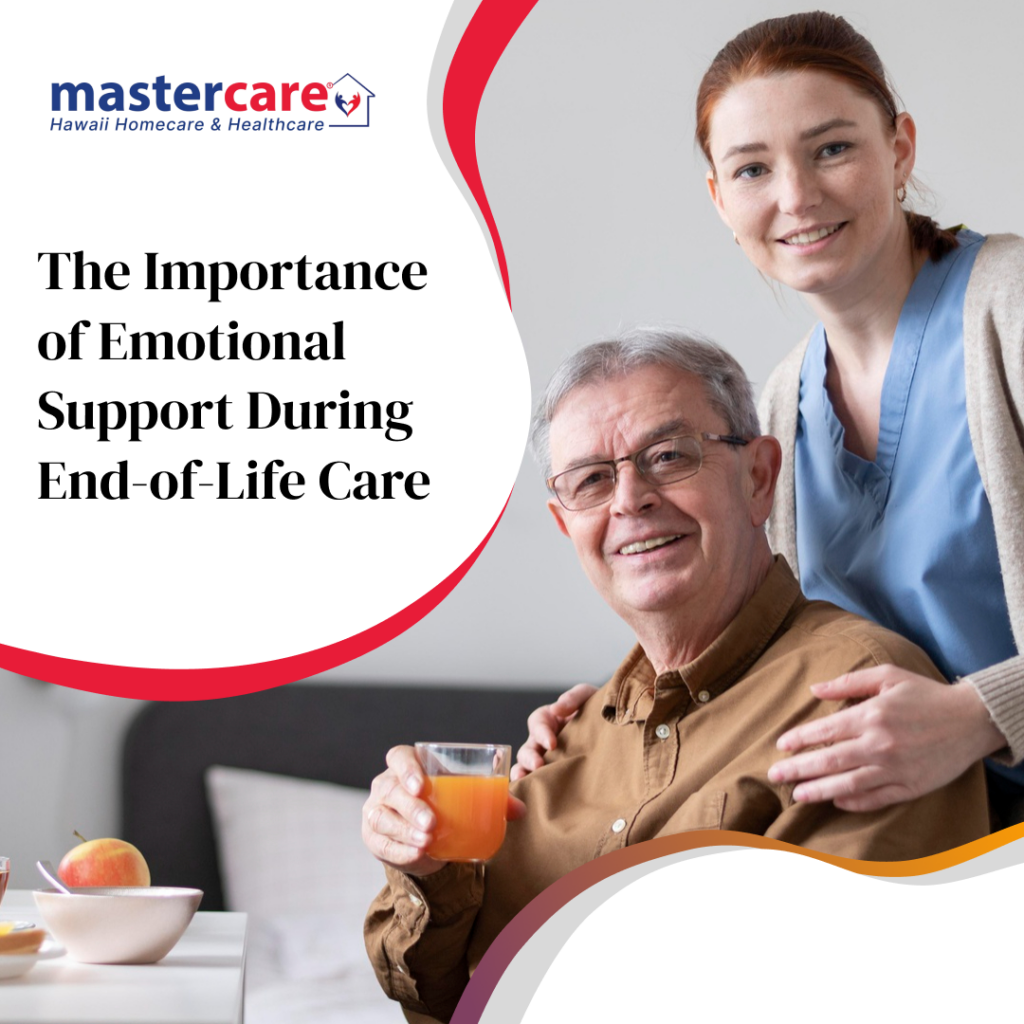
End-of-life care is about more than managing physical symptoms. It is also a time when emotional connection, understanding, and compassionate support become especially important. For individuals and their families, having someone to listen, provide reassurance, and offer comfort can make a meaningful difference.
At GoMasterCare.care, we believe compassionate care should support the whole person—body, mind, and emotional well-being.
Understanding Emotional Needs at the End of Life
More Than Medical Care
People approaching the end of life may experience many emotions, including fear, sadness, anger, loneliness, uncertainty, or even acceptance. These feelings can change from day to day.
Emotional support helps individuals feel heard and respected while allowing them to express their concerns in a safe and caring environment.
The Power of Simply Being Present
Listening Can Bring Comfort
Sometimes, the most meaningful support is simply being there. Sitting quietly together, listening without judgment, holding a hand, or sharing memories can provide reassurance.
Families do not always need to have the right words. A calm presence and genuine attention can communicate care and love.
Supporting Families and Caregivers
Caregivers Need Emotional Support Too
End-of-life care can be emotionally challenging for family members and caregivers. They may experience stress, exhaustion, sadness, or feelings of helplessness.
Families should remember that asking for help is not a sign of weakness. Support from healthcare professionals, counselors, support groups, friends, and other trusted people can help caregivers manage their own emotional needs.
Encouraging Open Conversations
Talk About Fears, Wishes, and Feelings
Open communication can help reduce misunderstandings and give families an opportunity to understand what matters most to their loved one.
Conversations may include personal wishes, meaningful memories, concerns about care, spiritual beliefs, or hopes for the time remaining. These discussions should happen gently and at the individual’s own pace.
Creating a Peaceful and Supportive Environment
Comfort Can Come From Familiar Things
A familiar environment can provide emotional reassurance. Family photographs, favorite music, meaningful belongings, familiar voices, or quiet routines may help create a sense of comfort and connection.
Small gestures can have a powerful emotional impact.
Respecting Dignity and Personal Choices
Every Person Has Their Own Journey
Emotional support should respect an individual’s personality, beliefs, values, and choices. Some people may want frequent conversation and family interaction, while others may prefer privacy and quiet.
Providing care with dignity means listening to these preferences and allowing individuals to remain involved in decisions whenever possible.
Compassion Makes a Difference
End-of-life care can be an incredibly emotional journey, but compassionate support can help individuals and families navigate it with greater comfort and understanding.
Emotional support is not about taking away every difficult feeling. It is about making sure no one has to face those feelings alone.
At GoMasterCare.care, our approach to compassionate care recognizes the importance of connection, dignity, comfort, and emotional well-being throughout the end-of-life journey.
Because sometimes, the greatest comfort comes from knowing that someone is there.